Loading...
Loading...
Loading...
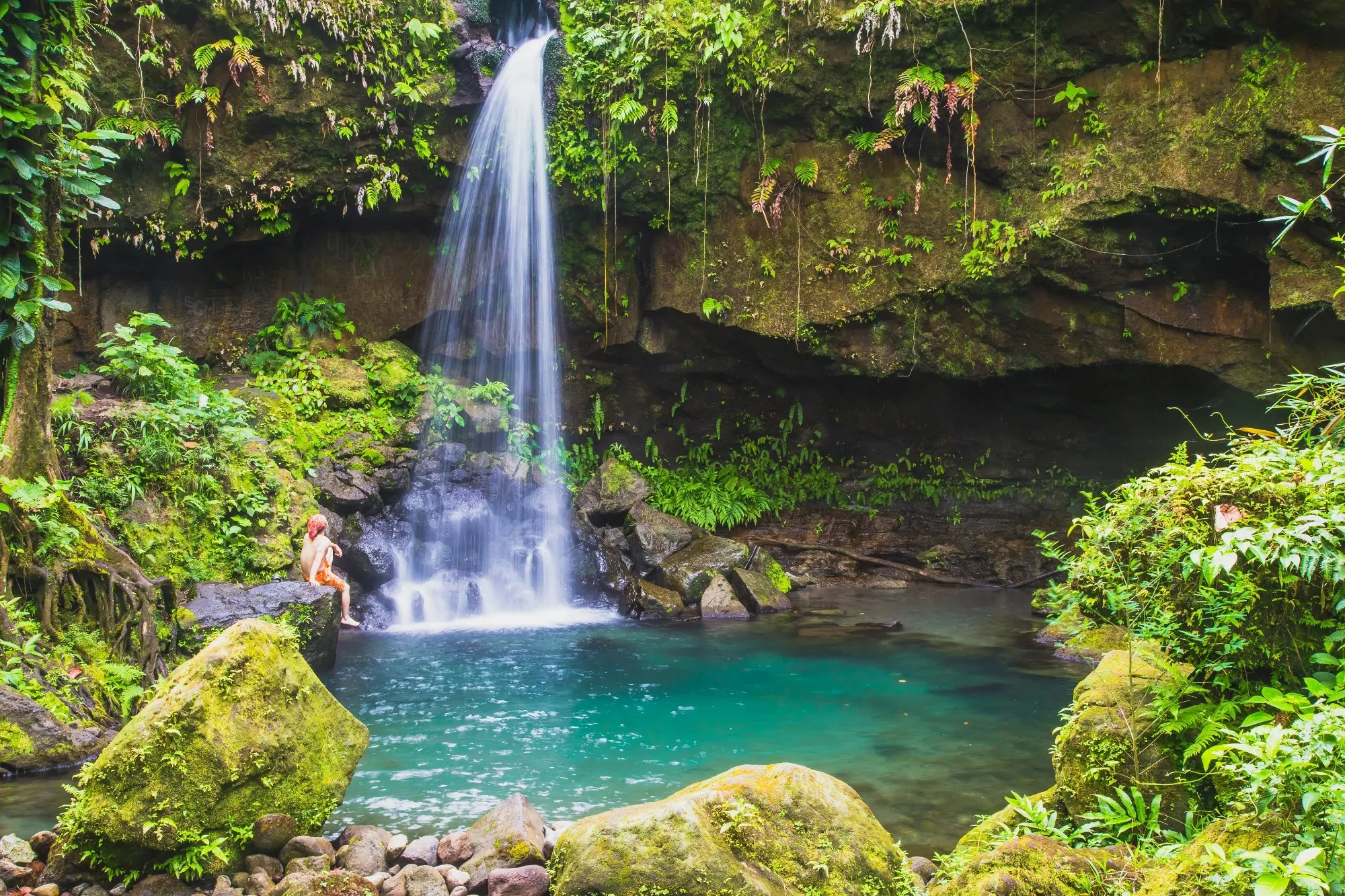
Customs Breeze · Dominica Travel Guide
365 rivers. Nine volcanoes. The world's first sperm whale reserve. And almost nobody knows it exists.
Local drivers
Featured Driver Links
Static profile links visible in the initial HTML
The Real Dominica
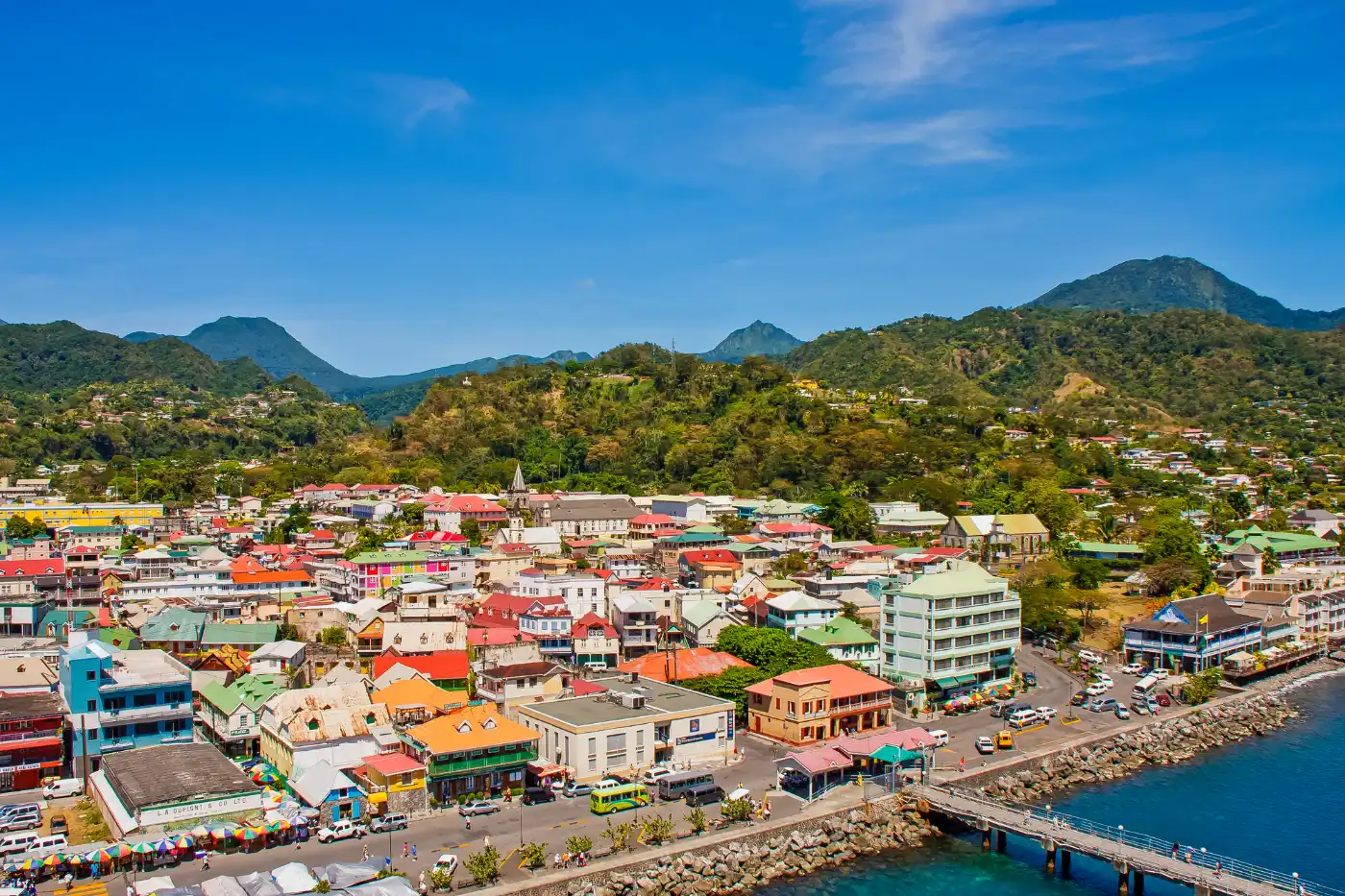
Let's get the first thing out of the way: Dominica is not the Dominican Republic. Not even close. Say it with me: DOM-uh-NEE-kuh. This 290-square-mile island between Martinique and Guadeloupe doesn't have Punta Cana, all-inclusives, or a casino in sight.
What it has, and what almost nowhere else on earth has, is nine active volcanoes, 365 rivers, the world's second-largest boiling lake, and the Caribbean's last intact Indigenous community. Its rainforests, volcanic landscape and Creole culture give travelers a distinctive reason to explore the Nature Island.
You come to Dominica because you want the real thing. The Caribbean before the cruise ships remade it into a theme park. The jungle before the jungle became a resort amenity. The island that, eight years after Hurricane Maria stripped it bare, grew back wilder and more alive than before — because that is what this island does. It endures. It regenerates. It remains.
The best view in Dominica isn't from a balcony with a rum punch. It's at the end of a four-hour hike through Morne Trois Pitons, lungs burning, boots soaked, standing at the edge of a lake that is literally boiling. Or it's at 6am on the western coast, watching a sperm whale surface forty feet from your boat in waters so deep they're almost black. Or it's at a roadside kitchen in the Roseau Valley with no name on the door, plastic chairs, a woman who's been making callaloo soup from her grandmother's recipe for thirty years; the kind of meal that ruins restaurant meals for months afterward.
“Dominica is not a place you visit. It is a place that happens to you. You arrive thinking you're going on vacation. You leave having had an experience. There is a difference.”
This guide exists because most Dominica travel content was written by people who stayed in Roseau, ate at the hotel, and left. We went deeper into the Kalinago Territory, up the Waitukubuli Trail, down to Champagne Reef with its geothermal bubbles rising from the seabed like something from another planet. We connected with the guides who have spent decades learning this island's secrets. And now, we're giving you all of it.
The Window Is Open
The planned 6.6 km cable car to the Boiling Lake area remains under construction. Its project website targets a 2027 opening, which may change. A new international airport is also in development. Check official project and transport updates before making travel plans.
Arrival Intelligence
Dominica's immigration system runs on the Electronic Declaration Card (ED Card). A free, digital immigration and customs form you complete before you fly. It replaced paper landing cards in October 2024 and it is, for once, a bureaucratic improvement worth celebrating. Simple, clear, and quick. Do it at home. Do not do it in the boarding queue at Douglas-Charles Airport, clutching your phone with 8% battery.
Official Portal: edcard.dominica.gov.dm
Free. No third-party fee sites. If a website is charging you to complete this form, close the tab.
Complete Dominica ED CardVisit edcard.dominica.gov.dm. You'll need your passport, flight details, and accommodation address. One submission covers up to 6 family members traveling together.
Screenshot it immediately — do not rely on airport Wi-Fi to load it. Wi-Fi at Douglas-Charles (DOM) is intermittent during peak arrivals. A printed copy is the backup that never fails.
Show your QR code and passport at Douglas-Charles Airport (DOM), Canefield Airport (DCF), or the Roseau Ferry Terminal. The whole process takes roughly 10–15 minutes.
For technical help, the Dominica Tourism Concierge runs daily from 8:00am to 4:00pm: (767) 275-7298 or 7293. They are responsive. Use them if something goes wrong.
Getting here: American Airlines flies daily from Miami (MIA). United runs weekly from Newark (EWR). Caribbean hubs via Puerto Rico (SJU), St. Maarten (SXM), and Guadeloupe (PTP) round out the connections. L'Express des Îles ferries run from Martinique and Guadeloupe for those arriving by sea. A new international airport with a 2,850-meter runway is on track for 2027.
U.S. Visa Notice for Dominican Nationals (Effective January 1, 2026)
The United States partially suspended visa issuance to Dominican nationals under Presidential Proclamation 10998 — affecting B-1/B-2 visitor visas, F/M/J student and exchange visas, and most immigrant categories. Dominican nationals transiting through or visiting the U.S. should verify current status directly with the U.S. Embassy before booking.
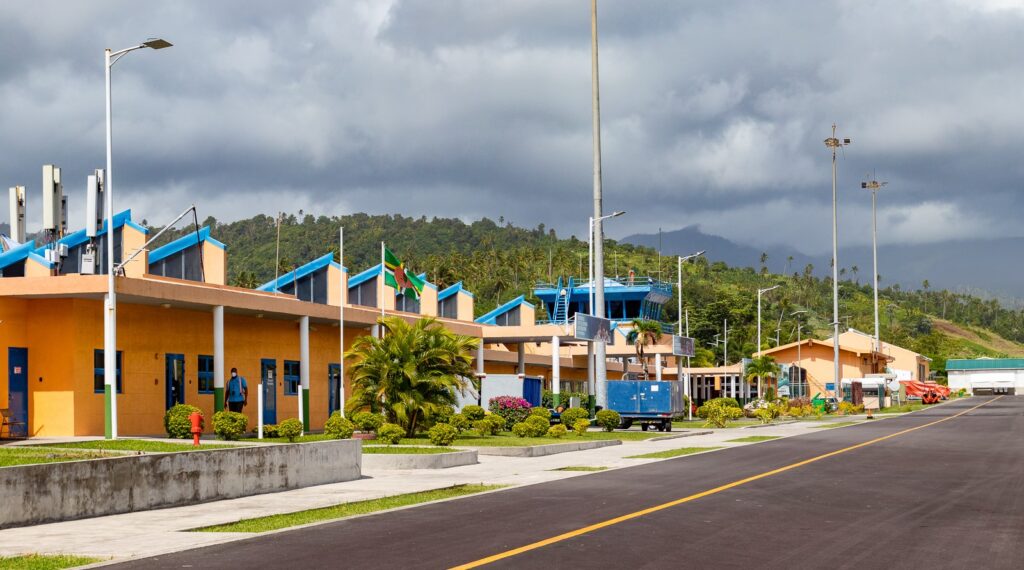
On the Ground
A word about Dominican roads: they are narrow, steep, winding, and in parts of the island, they remind you that this is a volcanic island built by geological violence, not by highway engineers. They are spectacular. And if you are not comfortable with left-hand driving on roads that occasionally require one car to reverse to let another pass, hire a driver. This is not a warning — it is a gift of information that will make your trip better.
Times assume normal conditions. Add 15–30 min for wet-season road conditions.
Scenic mountain drive; gateway to all major attractions. Most hotels and restaurants.
Closest village to the airport. Red rock coastline, dramatic and unspoiled.
Coastal road, beautiful northern views. Indian River, Cabrits National Park.
Trailhead for Boiling Lake, Titou Gorge, and Valley of Desolation.
Rugged Atlantic-facing coast. The island's indigenous heartland.
Route passes through Roseau. Best diving and snorkeling on the island.
Driving in Dominica: Left-hand traffic. Visitors with a foreign driving licence need a temporary visitor licence (EC$30 for one month or EC$60 for three months), issued by the Inland Revenue Division or authorised rental agents. Confirm current requirements before driving. Car rental is viable for experienced drivers; for everyone else, a pre-arranged driver with island knowledge is worth every cent.
Trusted Local Drivers

Roseau, Dominica
With over 20 years of experience navigating Dominica's winding mountain roads, Alwin's Taxi Service is the island's go-to for reliable, friendly transportation. Whether it's an airport transfer from Douglas-Charles, a scenic tour to Trafalgar Falls, or a full-day island adventure, Alwin knows every shortcut, every viewpoint, and every roadside fruit vendor worth stopping for.

Roseau, Dominica
Great Joy Taxi Services is a premier transportation provider in Dominica with over 30 years of experience. Arundel combines deep local knowledge with genuine Caribbean hospitality — from quick city rides in Roseau to multi-day explorations of the Nature Isle. His passengers consistently praise the smooth rides, punctuality, and insider tips on the best hidden gems across the island.
The Island's Geography
Dominica compresses a continent's worth of ecological diversity into 290 square miles. Understanding the island's regions before you arrive means spending your limited time in exactly the right places.
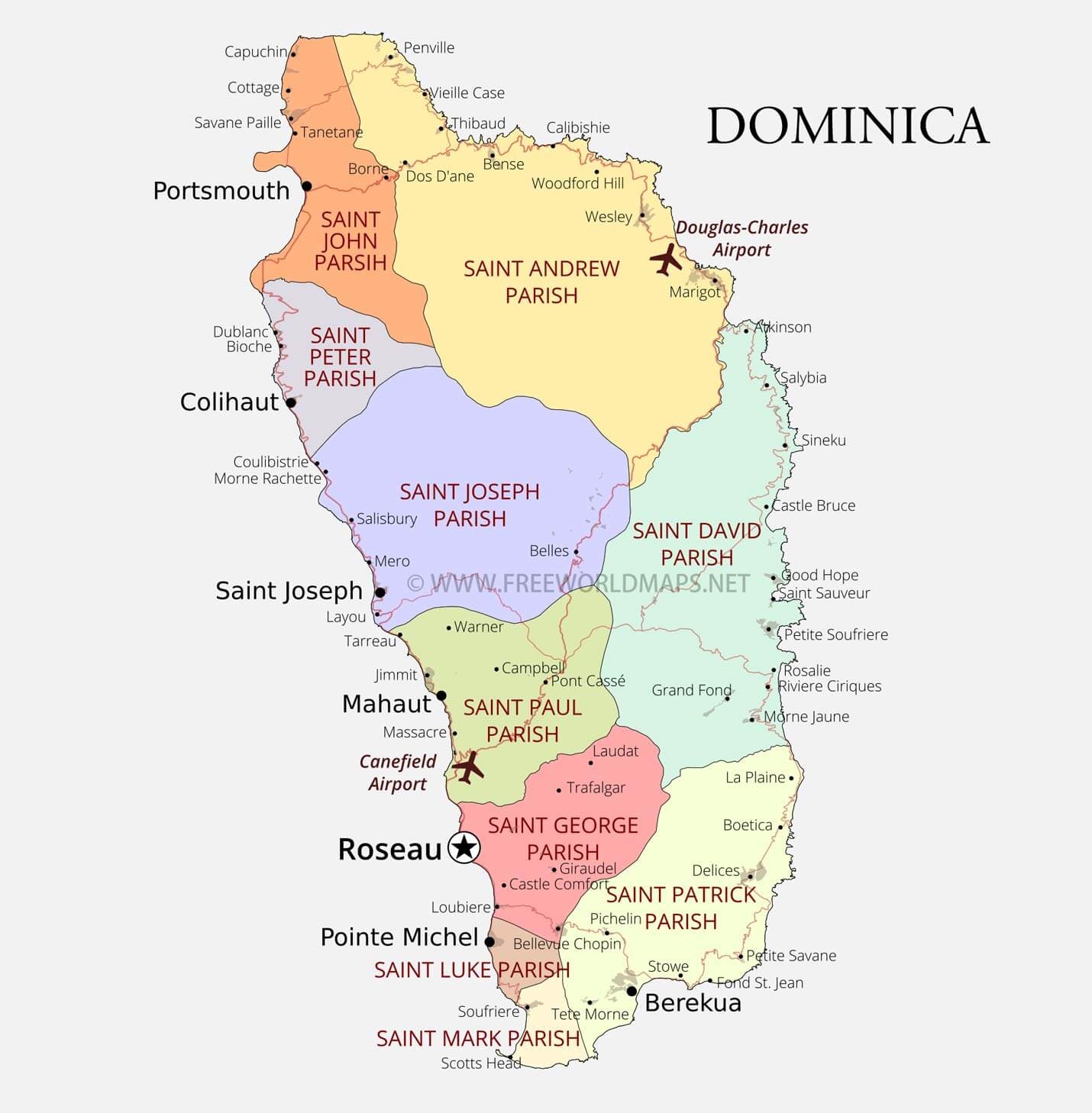
Dominica — parishes & key destinations
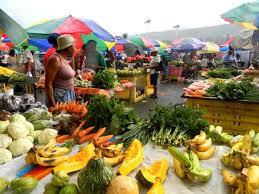
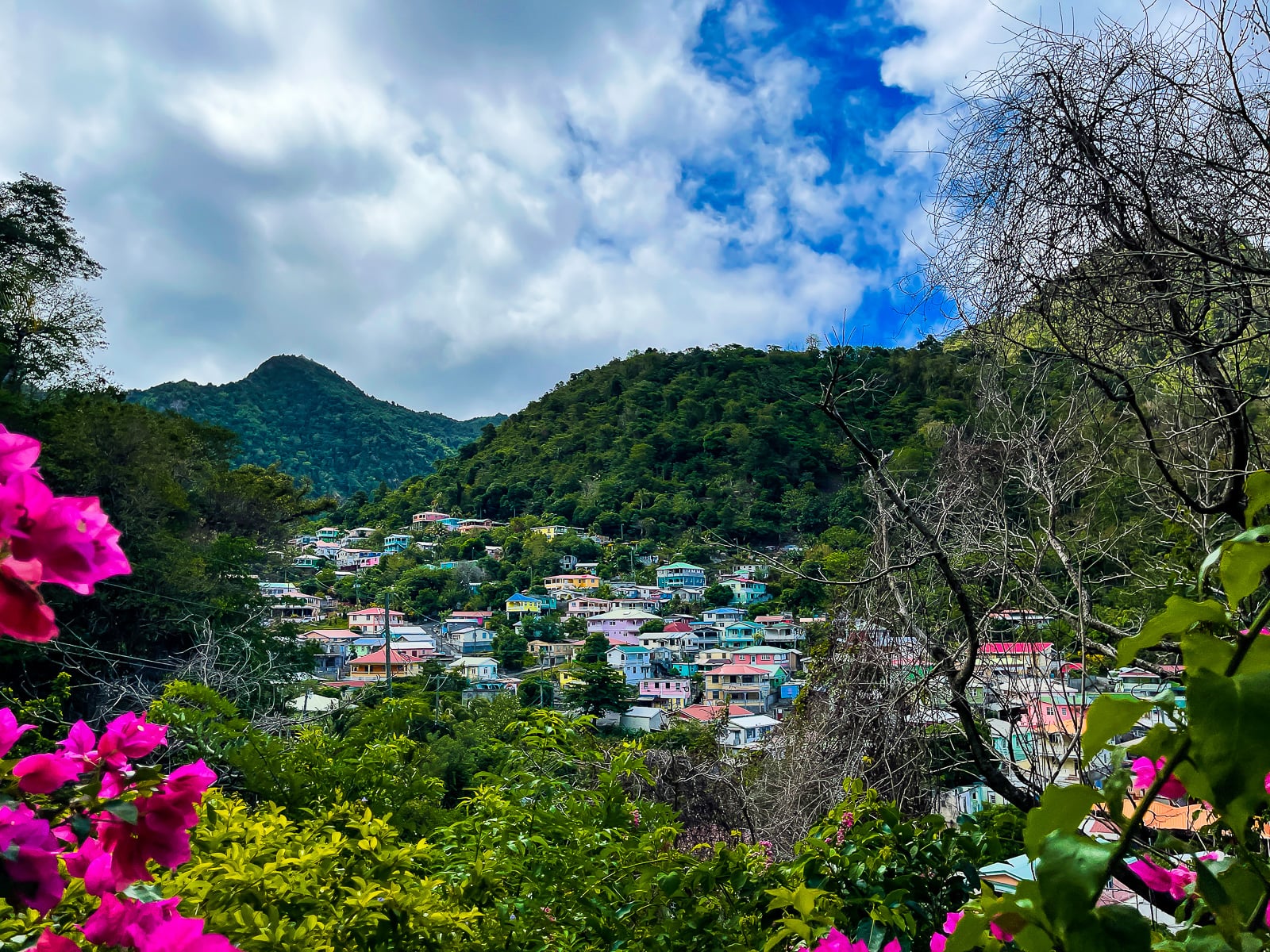
The capital moves at Caribbean pace — unhurried, real, occasionally chaotic in the best way. But the actual story is behind it: the Roseau Valley, where the island's volcanic heart is closest to the surface.
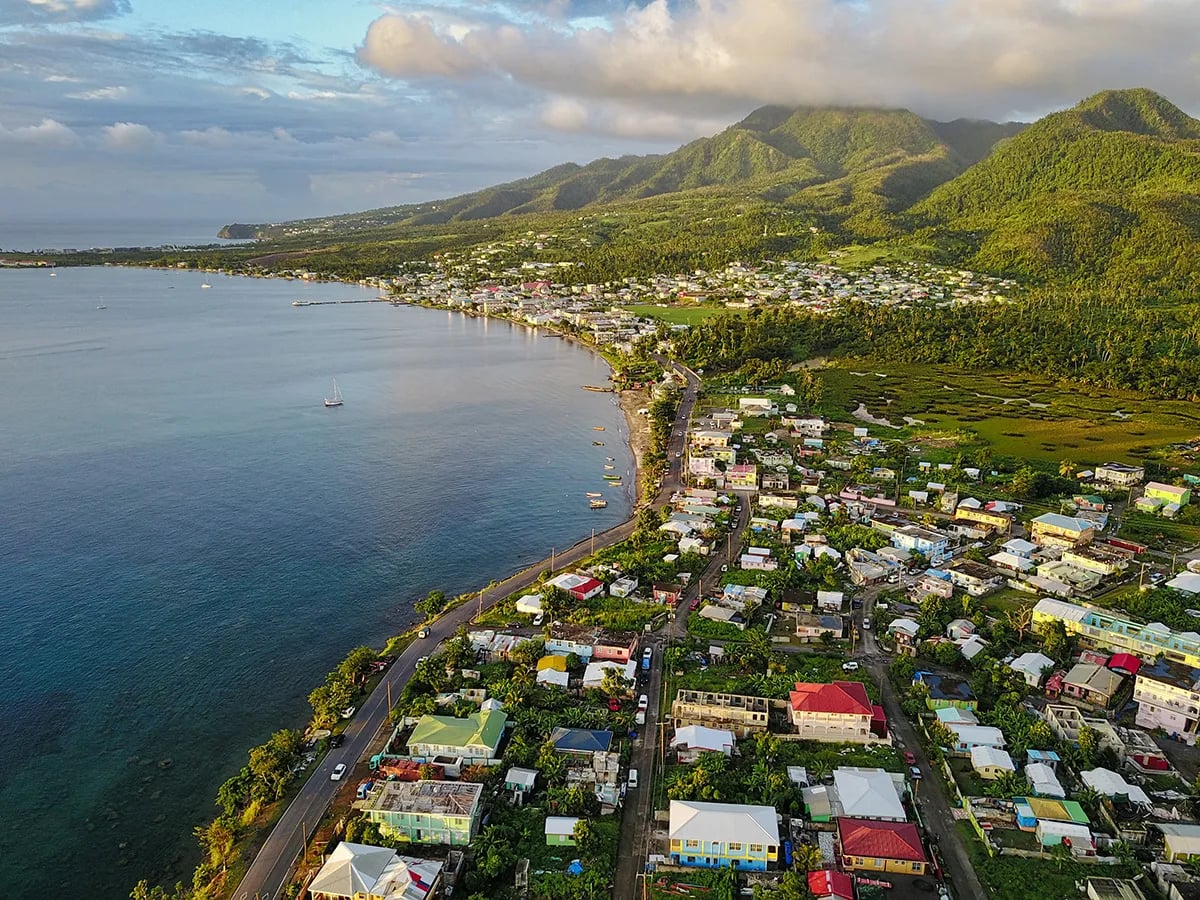
Dominica's second city sits on Prince Rupert Bay, one of the most beautiful natural harbors in the Caribbean. The north is slower, flatter, and deeply historical.
The volcano meets the sea, and what happens underwater is unlike anything else in the Caribbean. The Soufrière-Scott's Head Marine Reserve is a protected ecosystem of extraordinary depth and biodiversity.
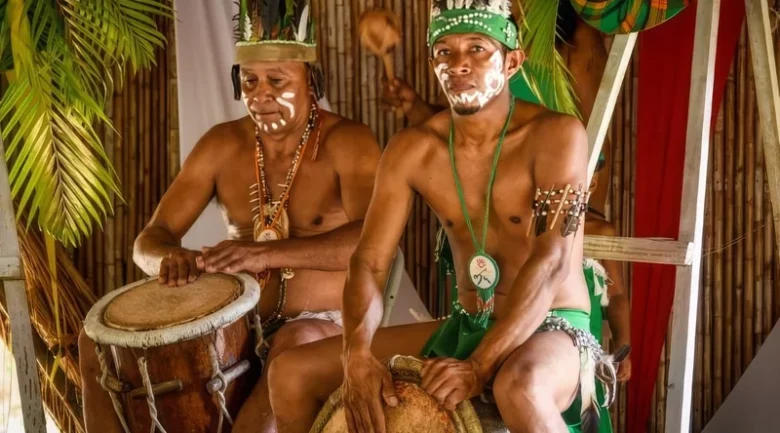
The rugged Atlantic coast is home to the Kalinago — the last remaining Indigenous community in the Caribbean, the people who gave the island its soul name: Waitukubuli, "tall is her body."
Where Locals Actually Eat
Dominica's food is built from volcanic soil that produces fruit and vegetables of almost obscene intensity — mangoes, soursop, dasheen, breadfruit, plantain. The sea delivers flying fish, dorado, kingfish, tuna. The cooking tradition is French Creole with British colonial overlay and African roots: layered, bold, and designed to sustain people who work hard in a hot, wet jungle. Restaurants in Dominica close early and unexpectedly. Eat before 8pm. Ask your driver what's open tonight. Never assume.
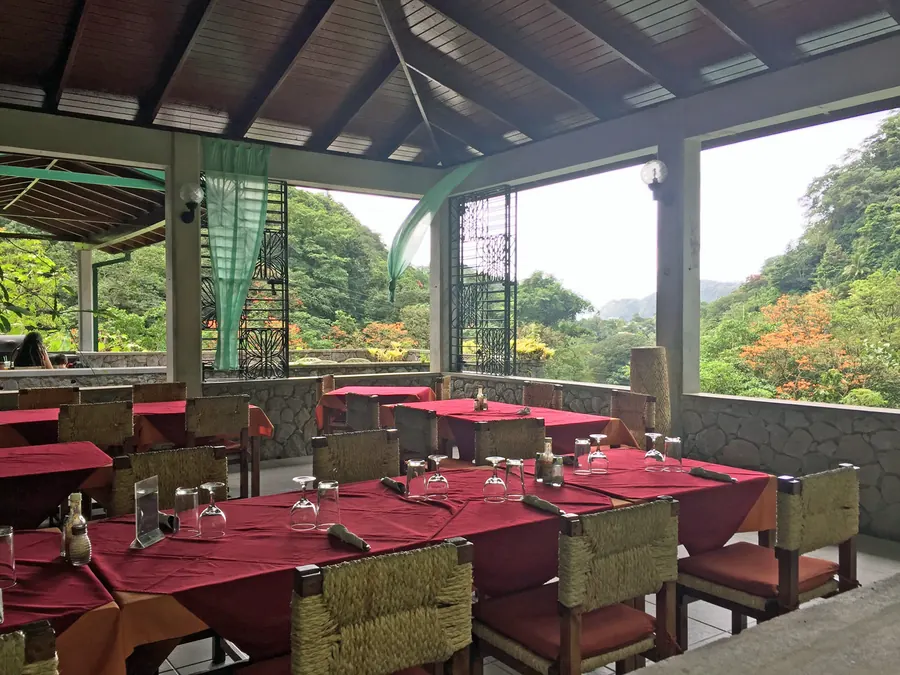
Trafalgar, Roseau Valley · Creole
Dinner inside a botanical garden, with geothermal hot pools you can bathe in after dessert. The callaloo soup arrives in a bowl that smells like the rainforest itself. Menu changes seasonally based on what the garden is producing.
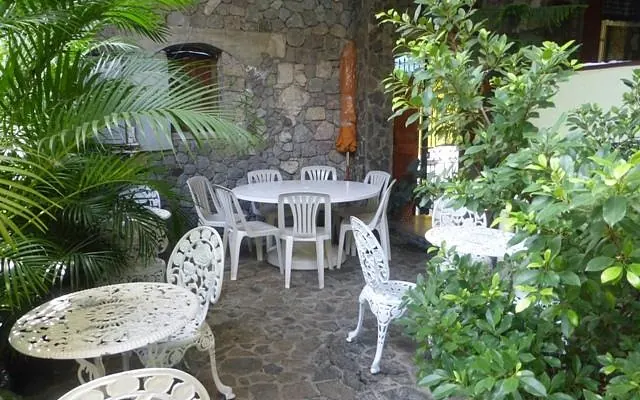
Great Marlborough St, Roseau · Local
A chalkboard menu, five types of stew, and the kind of fish stew that will ruin every other fish stew you ever eat. Smoked crab callaloo soup is the order. Locals pack the room. You'll likely be the only tourist.
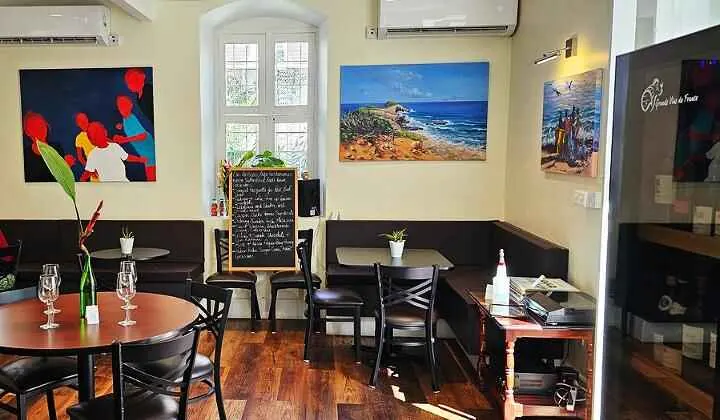
Historic Roseau · French Creole
Set inside an 18th-century stone house, run by Montreal transplants who brought French technique and left their egos at the door. The menu changes with what came in from local farms that morning. Accras, oven-roasted tuna, and a rum selection that requires serious consideration.
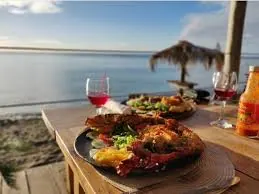
Toucari, North Coast · Seafood
On the beach in Toucari, tables practically in the water. Grilled lobster, fresh-caught fish, the view of the Caribbean at sundown. If you're exploring Cabrits National Park in the north, this is your lunch stop.
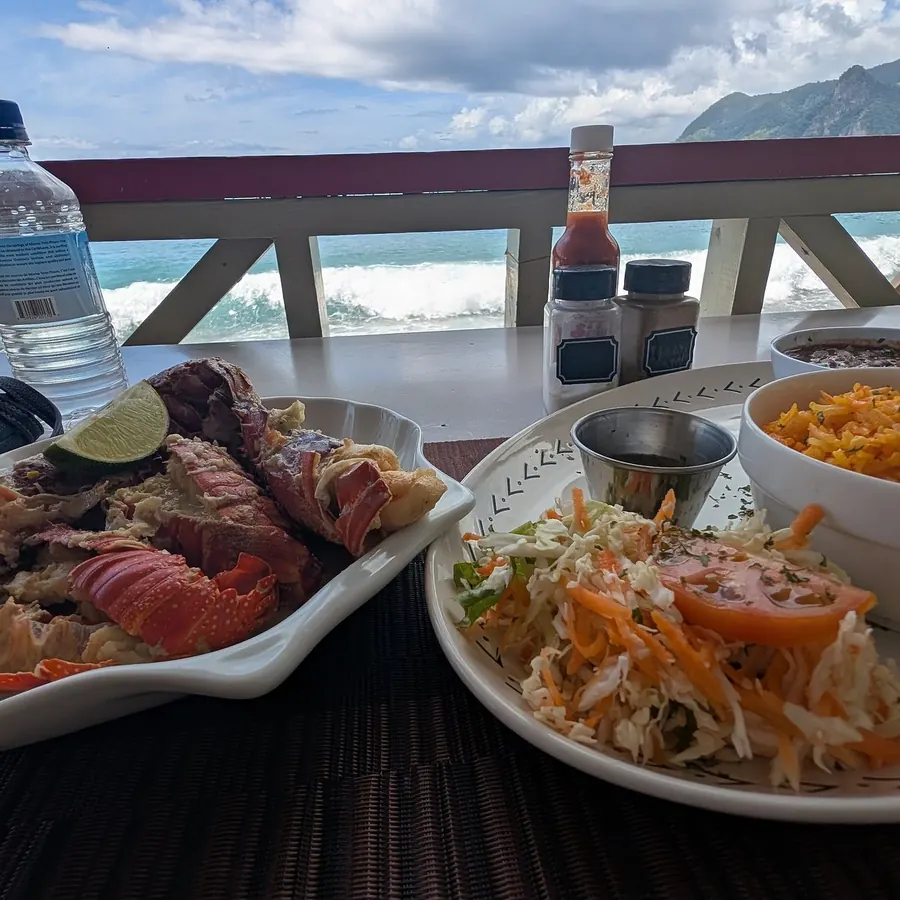
Scott's Head, South · Creole Seafood
At the southern tip where the Atlantic meets the Caribbean Sea. Thursday seafood boils — lobster, mussels, crab legs, crayfish — are the move. Come hungry. Leave amazed.
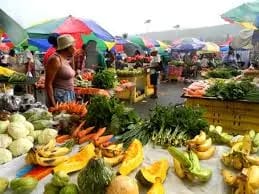
Roseau · Street Food
Saturday morning, 7am, before the heat builds. Vendors selling bakes, accra, cocoa tea, and fresh produce. This is the food intelligence briefing you need before any meal anywhere on the island.
Seven things you should eat before you leave, regardless of where you're staying.
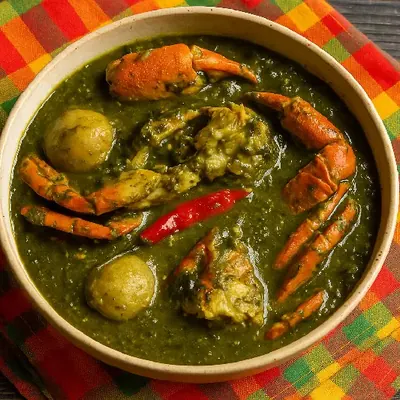
Taro leaf, coconut milk, crab, local herbs. The island's culinary soul.
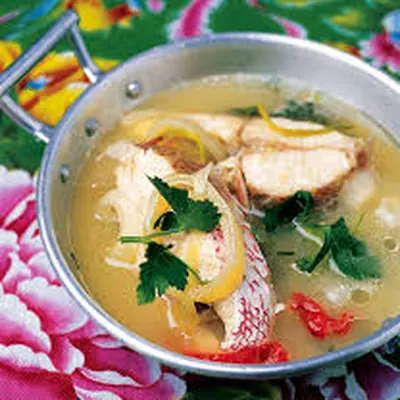
White fish marinated in lime and spice, poached quickly. Creole perfection.
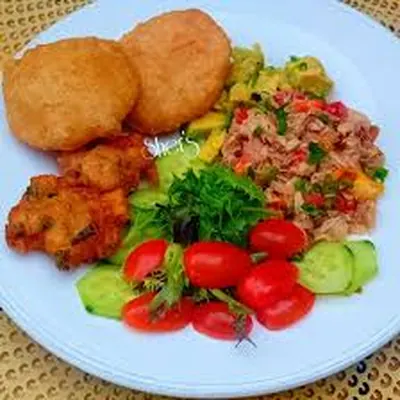
Fried dough and salt fish fritters. Saturday breakfast staples.
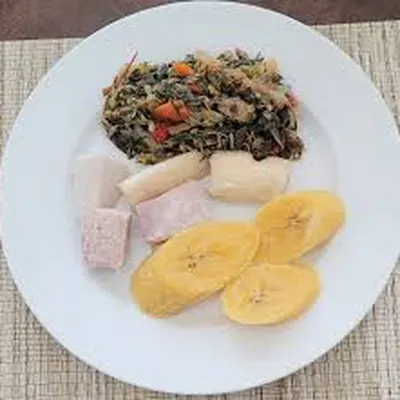
Dasheen, yam, plantain, breadfruit — grown in volcanic soil.
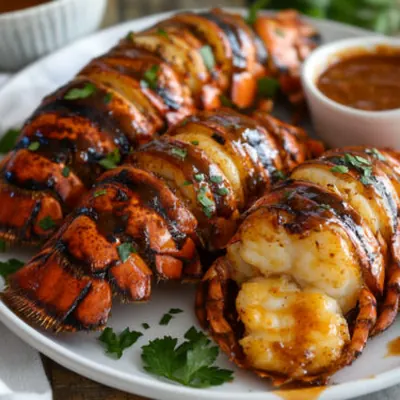
Local Caribbean lobster, grilled simply. Order it at Keepin' It Real or Chez Wen.
Customs Breeze lists local rental companies and restaurants for travelers planning their visit. You can also contact us about getting listed.
Planning a different island? Browse car rentals in other Caribbean destinations or restaurants across the Caribbean and Central America.
Culture & Festivals
Dominica's two defining cultural events are not afterthoughts — they are reasons to build an entire trip around.
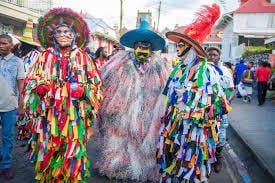
Dominica's Carnival is an eruption of Calypso music, elaborate costumed parade troupes, and street food that runs for days before Ash Wednesday. It is not a tourist event that tolerates locals — it is a local event that welcomes visitors to participate fully. Show up before dawn on J'ouvert Monday.
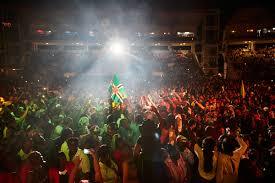
Three nights of Creole music — zouk, bouyon, kadans — drawing artists from Martinique, Guadeloupe, Haiti, West Africa, and across the Caribbean diaspora. Held in the national open-air stadium. Book accommodation six months in advance. The entire island fills up.
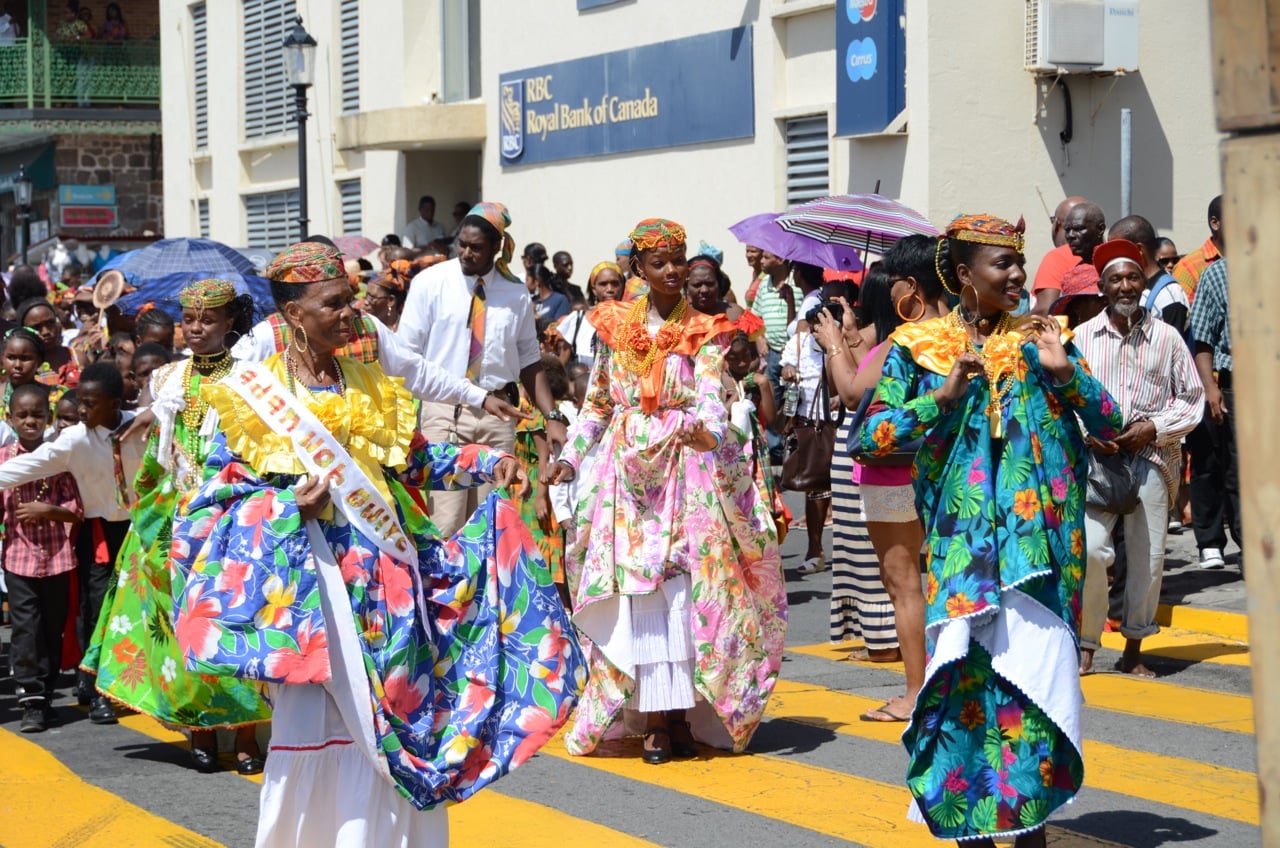
Dominica celebrates independence from the UK (1978) with parades, ceremonies, and a week of national cultural events. Flags everywhere, schools performing, the Sisserou Parrot — Dominica's national bird — prominently featured on every banner.
Three infrastructure developments are converging simultaneously, creating a window to experience Dominica at its most accessible — before the crowds arrive.
A proposed cable car from Roseau Valley toward Boiling Lake remains under construction and is not open to visitors. The project website currently targets 2027; verify the schedule before planning around it.
The only place on earth with a year-round resident sperm whale population — approximately 200 whales. Strictly regulated swimming encounters and boat tours available. Also home to Project CETI, the National Geographic initiative to decode whale language.
Dominica is developing a new international airport. Opening dates, future routes and airline schedules have not been confirmed here. Check official updates before planning connections.
Practical Intelligence
Eastern Caribbean Dollar fixed at 2.70 XCD per USD. US dollars accepted everywhere, but you'll get better rates with XCD. ATMs at Roseau and Portsmouth offer the best exchange rates.
Among the purest tap water in the world, sourced from mountain springs. Drinkable directly from the tap in Roseau, Portsmouth, and most tourist areas.
Atlantic Standard Time, year-round. No daylight saving time. 1 hour ahead of U.S. Eastern during EDT, same as Eastern during EST.
British-style left-hand traffic. Roads are narrow, steep, and winding — often no guardrails. Visitors typically need a temporary licence for a foreign driving licence (EC$30 for one month or EC$60 for three months), usually issued through the rental company. Verify before driving.
One of the safest islands in the Caribbean. Standard travel precautions: avoid displaying expensive items, use pre-arranged drivers rather than street taxis.
Dry season. Best hiking and outdoor conditions. Wet season (June–November) brings lush vegetation and fewer tourists — hurricane season peaks September–October.
Customs duty-free allowance: 2 litres of alcohol (any type). 200 cigarettes or 50 cigars (tobacco requires a Comptroller permit). Currency: no declaration threshold on import; departure exports over USD $10,000 must have been declared on arrival.
For the Solo Traveler
Dominica is one of the safest, most welcoming islands in the Caribbean. But we hear it often from solo travelers particularly those traveling alone for the first time, or returning to travel after years away: the logistics feel overwhelming. The roads. The unfamiliar customs process. The question of who to trust at the airport. We built our concierge service for exactly this moment.
Frequently Asked Questions
Customs Breeze provides general travel information for convenience only. We are not affiliated with or endorsed by the Government of the Commonwealth of Dominica, Discover Dominica Authority, or Dominica Customs & Excise Division. Always verify the latest entry requirements at edcard.dominica.gov.dm. Always verify official entry and permit requirements before you travel.
Scotch Bonnet-based, oil-blended. Take two bottles home. You will regret taking one.