


10 Best Things to Do in the Bahamas
 C
CCustoms Breeze
The Bahamas' Unmissable Experiences
1. Swimming with Pigs at Big Major Cay, Exumas

Location: Exuma Cays Land and Sea Park
The world-famous swimming pigs of Big Major Cay represent one of nature's most delightfully unexpected encounters. These surprisingly graceful swimmers have become global ambassadors for Bahamian tourism, but the experience offers far more than social media opportunities. The surrounding Exuma Cays present pristine waters, uninhabited islands, and marine life encounters that create transformative Caribbean experiences.
Traveler Insight: Elena from Stockholm writes: "Expected tourist gimmick, discovered magical ecosystem. The pigs are charming, but watching nurse sharks glide beneath crystal-clear waters while iguanas sunbathe on pristine beaches; that's when you realize you're in paradise. The boat journey through turquoise shallows becomes meditation."
The experience includes stops at Iguana Beach, where prehistoric-looking rock iguanas bask fearlessly among visitors, and Compass Cay, where friendly nurse sharks offer safe swimming encounters. The surrounding waters showcase the Caribbean's most pristine coral formations and diverse marine life.
Pro tip: Book full-day excursions departing early morning to avoid crowds and capture optimal lighting for photography.
2. Dean's Blue Hole, Long Island

Location: Long Island, near Clarence Town
Dean's Blue Hole plunges 663 feet into the earth, creating the world's deepest known blue hole accessible to recreational divers. This circular sinkhole, measuring 100 feet across at surface level before expanding to 300 feet diameter below, presents otherworldly experiences whether you're free diving, scuba diving, or simply snorkeling at the surface.
Traveler Insight: Marcus from Cape Town reports: "Standing at the edge, you're looking into the planet's blue eye. The color gradations from turquoise shallows to midnight blue depths create visual poetry. Freediving here changed my relationship with the ocean, you feel connected to geological time."
The site hosts annual freediving competitions attracting world-class athletes, but casual visitors find equally rewarding experiences. The surrounding Long Island landscape offers pristine beaches, limestone cliffs, and traditional Bahamian settlements maintaining authentic island culture.
Essential: Respect diving limits and safety protocols. The site's depth demands caution even for experienced divers.
3. Harbour Island's Pink Sand Beach

Location: Harbour Island, Eleuthera
Harbour Island's three-mile pink sand beach represents one of only a few naturally pink beaches worldwide. The distinctive coloration results from microscopic coral insects called foraminifera, creating shores that shift from pale rose to deep coral depending on lighting conditions. The adjacent Dunmore Town showcases pristine colonial architecture and sophisticated island culture.
The experience combines world-class beach relaxation with cultural immersion. Dunmore Town's narrow streets reveal 18th-century colonial houses painted in pastel Caribbean colors, while local restaurants serve fresh conch and locally caught fish prepared with traditional Bahamian techniques.
Traveler Insight: Isabella from Milan observes: "The pink sand phenomenon amazes, but the island's sophisticated culture surprised me more. Golf cart transportation, locally owned boutique hotels, and restaurants serving world-class cuisine with barefoot elegance."
The island rewards both active exploration and contemplative relaxation, though the pink sand beaches shine most dramatically during golden hour photography sessions.
Photography Tip: Late afternoon visits capture the sand's most vibrant pink coloration while providing optimal lighting for both landscape and portrait photography.
4. Thunderball Grotto, Staniel Cay

Location: Exuma Cays, near Staniel Cay
Made famous by James Bond films "Thunderball" and "Never Say Never Again," this underwater cave system creates one of the Caribbean's most spectacular snorkeling experiences. The grotto's partially submerged limestone formations create cathedral-like chambers where tropical fish congregate in extraordinary numbers, illuminated by shafts of sunlight filtering through openings above.
The experience requires basic swimming ability to access the grotto's interior chambers, but rewards visitors with encounters resembling underwater aquariums. Schools of yellowtail snapper, sergeant majors, and parrotfish create living murals against limestone walls covered in colorful sponges and coral formations.
Traveler Insight: Ahmed from Dubai notes: "Swimming through that underwater cathedral, surrounded by thousands of tropical fish while sunbeams create light shows through the cave openings, it's like entering another planet. The marine life diversity rivals any aquarium I've ever visited."
The site combines easily with other Exuma Cays attractions, making it ideal for multi-stop boat excursions that maximize marine encounters while exploring pristine Caribbean waters.
Important: Visit during calm weather conditions for optimal visibility and safe cave exploration.
5. Nassau's Cultural Heritage and Junkanoo

Location: New Providence Island
Nassau transcends its reputation as a cruise ship destination to reveal authentic Bahamian culture, colonial history, and vibrant arts scenes. The city's downtown core preserves British colonial architecture while showcasing contemporary Caribbean culture through markets, museums, and the world-famous Junkanoo festival traditions.
Key experiences include exploring the National Art Gallery showcasing Bahamian artistic traditions, visiting historic Fort Fincastle and the Queen's Staircase carved by slaves, and experiencing Junkanoo cultural performances featuring elaborate costumes, traditional music, and dance traditions dating to the colonial era.
Traveler Insight: Priya from London writes: "Nassau's Junkanoo museum completely changed my understanding of Caribbean culture. The elaborate costumes and rhythmic complexity rival anything in Rio's Carnival. Walking through downtown Nassau after learning this history, you hear the island's cultural heartbeat beneath the tourist surface."
The city rewards exploration beyond the immediate port area, though guided cultural tours provide essential context for understanding Bahamian history and contemporary island life.
Essential: Time visits to coincide with local festivals or cultural events for authentic Bahamian music and dance experiences.
6. Andros Barrier Reef

Location: Andros Island
Andros Island hosts the Western Hemisphere's third-largest barrier reef system alongside over 200 inland blue holes, creating unparalleled opportunities for diving, snorkeling, and marine exploration. The island's vast interior freshwater systems support unique ecosystems while the surrounding waters offer world-class fishing and diving experiences.
The barrier reef extends for 140 miles, supporting healthy coral formations and diverse marine life increasingly rare in Caribbean waters. The interior blue holes, accessible through guided exploration, reveal unique geological formations and endemic species adapted to these isolated aquatic environments.
Traveler Insight: Jacques from Montreal observed: "Andros feels like stepping back in time—pristine reef systems teeming with life, blue holes that seem bottomless, and fishing experiences that remind you why people fall in love with the ocean. The island's untouched nature creates humbling encounters with Caribbean wilderness."
The island offers both comfortable eco-lodges and adventure camping experiences, though all require advance booking due to limited tourism infrastructure.
Essential: Book with operators supporting marine conservation and local community development.
7. Cat Island's Mt. Alvernia and Hermitage
Location: Cat Island
Cat Island's Mt. Alvernia, at 206 feet the highest point in the Bahamas, offers panoramic views across the archipelago while hosting the remarkable Hermitage monastery built by Father Jerome in the 1930s. The hand-built stone monastery, perched atop the island's peak, creates spiritual experiences whether or not you're religious.
The climbing experience, while not technically challenging, rewards visitors with 360-degree views encompassing multiple islands and endless ocean horizons. The monastery itself, built using medieval European techniques, showcases remarkable craftsmanship while providing contemplative spaces for reflection.
Traveler Insight: Maria from Barcelona found it "unexpectedly moving—the combination of solitary devotion and natural beauty creates meditative atmosphere. Watching sunrise from the monastery while seabirds soar below transforms a simple hike into spiritual journey."
Cat Island also offers pristine beaches, traditional settlements, and authentic Bahamian culture largely untouched by mass tourism.
Pro tip: Early morning climbs avoid midday heat while providing optimal lighting for photography and reflection.
8. Eleuthera's Glass Window Bridge and Coastal Wonders
Location: Eleuthera Island
Eleuthera's Glass Window Bridge presents one of nature's most striking geographical phenomena: a narrow land bridge where the deep blue Atlantic Ocean meets the shallow turquoise Caribbean Sea, creating dramatic color contrasts visible from a single vantage point. The 30-foot-wide natural bridge showcases the geological forces that shaped the Bahamas archipelago.
The experience extends beyond the bridge itself. Eleuthera's coastline features diverse beach experiences from the famous Pink Sand Beach to secluded coves accessible only by foot, while inland attractions include traditional settlements and locally owned restaurants serving authentic Bahamian cuisine.
Traveler Insight: Kofi from Ghana notes: "Standing on that bridge, seeing two different oceans with completely different colors meeting at your feet—it defies logic. The Atlantic side's deep blue waves crash while the Caribbean side remains calm and turquoise. Nature's drama at its finest."
The island rewards road trip exploration, though rental cars require advance booking and familiarity with island driving conditions.
Best Experience: Combine Glass Window Bridge visits with exploration of Eleuthera's diverse coastal attractions and traditional settlements.
9. Bimini's Hemingway Trail and Bonefishing
Location: Bimini Islands
Ernest Hemingway's former haunt, Bimini offers legendary sportfishing experiences alongside literary history and pristine marine environments. The shallow flats surrounding the islands provide world-class bonefishing opportunities, while the nearby Gulf Stream creates deep-sea fishing experiences that attracted Hemingway and continue drawing anglers worldwide.
The island maintains authentic Caribbean fishing culture where local guides share generations of maritime knowledge while providing access to pristine fishing grounds. Historical sites including Hemingway's favorite haunts provide literary context alongside contemporary fishing adventures.
Traveler Insight: Captain Mike from Florida writes: "Bimini's flats are cathedral-like—crystal clear water where you spot bonefish tailing from hundreds of yards away. The local guides don't just know fishing; they understand these waters like family history. Hemingway chose this place for good reasons."
The experience appeals to both serious anglers and cultural enthusiasts, though fishing requires licensed guides familiar with local regulations and conservation practices.
Essential: Book experienced local guides supporting sustainable fishing practices and marine conservation efforts.
10. Inagua National Park's Flamingo Colony
Location: Great Inagua Island
Great Inagua National Park protects the Western Hemisphere's largest flamingo colony, with over 80,000 Caribbean flamingos creating one of nature's most spectacular wildlife displays. The park's pristine salt ponds and undisturbed ecosystems support diverse bird populations alongside the famous flamingo colonies.
Experiences include guided birding tours revealing flamingo feeding and breeding behaviors, exploration of pristine wetland ecosystems supporting endemic species, and visits to traditional salt production facilities that coexist with wildlife conservation efforts.
Traveler Insight: Dr. Sarah from Edinburgh observed: "Witnessing 80,000 flamingos taking flight simultaneously creates sensory overload—the sound, the color, the coordinated movement defies description. This isn't zoo viewing; it's entering wild flamingo territory where you're privileged guest."
The remote location requires advance planning and guided access, though the authentic wilderness experience rewards dedicated wildlife enthusiasts with unparalleled Caribbean nature encounters.
Essential: Book through operators supporting park conservation and working with local communities.
The Verdict on Nassau's Cruise Ship Day Tours
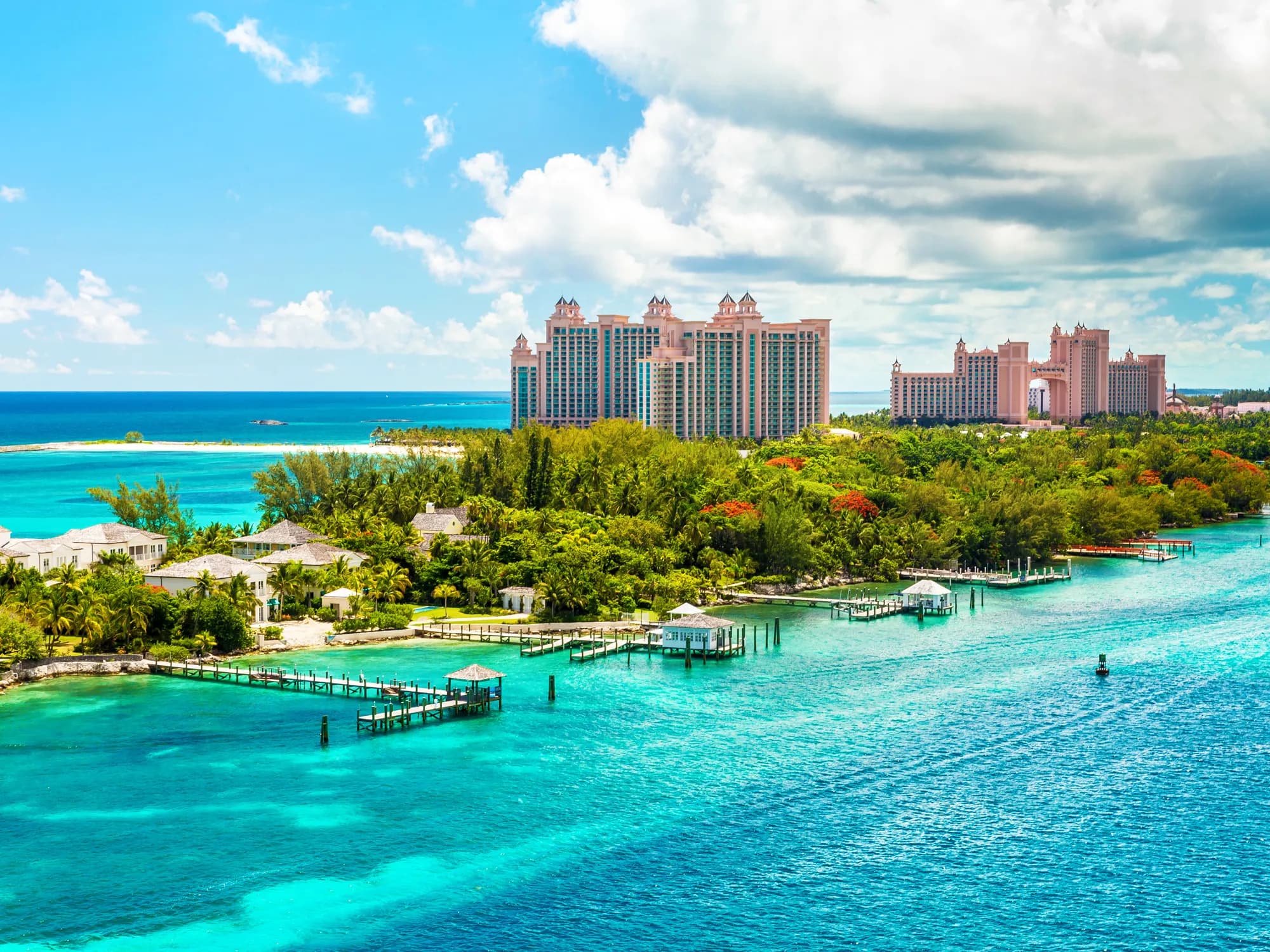
Among the Bahamas' tourism offerings, the rushed cruise ship day tour experience emerges as the archipelago's most disappointing option. These heavily marketed shore excursions—typically featuring hurried visits to Paradise Island's Atlantis resort, overcrowded Straw Market shopping, and superficial cultural performances—fail to capture the Bahamas' extraordinary marine diversity and authentic island culture.
The standard "Nassau in 6 Hours" packages shuttle thousands of visitors through identical experiences while bypassing the very attractions that make the Bahamas unique. The result: visitors leave having seen crowded tourist constructs rather than experiencing authentic Bahamian life, pristine marine environments, or genuine cultural traditions.
The Bahamas' greatest assets—pristine marine ecosystems, authentic island cultures, and diverse natural wonders scattered across 700 islands—remain completely inaccessible through cruise ship day tours. As one Nassau local explained: "Cruise passengers see our most commercialized corner and think that's the Bahamas. We're marine sanctuaries, cultural traditions, and hundreds of untouched islands. But you need more than six hours in Nassau to discover the real Bahamas."
For meaningful experiences, multi-day stays using locally owned guesthouses, inter-island boat charters, and community-based cultural tours offer authentic connections while supporting sustainable tourism development across the archipelago.
The Traveller's Calculus
The Bahamas rewards adventurous travelers while accommodating those seeking comfortable luxury experiences. The archipelago's tourism infrastructure varies dramatically between developed islands and remote cays, creating opportunities for both accessible adventures and challenging explorations.
For travelers drawn to marine environments and island culture, the Bahamas offers Caribbean experiences unavailable in more predictable destinations. Where else can one swim with pigs in the morning, explore underwater caves at midday, and experience authentic Junkanoo culture at sunset?
Safety Note: Marine activities require attention to weather conditions and local guidance. Remote islands demand advance planning and reliable transportation arrangements.
Your Bahamian Adventure Starts Here
Navigating the Bahamas' diverse attractions requires local maritime expertise, cultural sensitivity, and reliable island transportation services. The archipelago's geography makes local knowledge invaluable for safe, authentic, and memorable inter-island exploration.
For knowledgeable boat captains, reliable seaplane services, and authentic cultural experiences across the Bahamas, local experts understand these waters beyond tourist brochures, ensuring safe, informative, and memorable exploration of the Caribbean's most diverse island nation.
 Bahamas
Explore the Bahamas with a rental car
Browse vehicles from local rental companies and review their rates and rental policies.

Own a restaurant in the Bahamas?
Help travelers discover your restaurant, or contact us about getting listed.